Let me tell you a secret, my fellow economical explorers – Southeast Asia is a treasure trove for the budget-savvy traveler. I, Anderson, have trotted the globe, and yet, this region always calls me back. With its rich tapestry of cultures, tantalizing local cuisine, and breathtaking landscapes, it’s no wonder why it’s become a hotspot for budget-friendly adventures. Let me guide you through the bustling markets of Bangkok, the idyllic beaches of Bali, and the majestic temples of Cambodia—all without breaking the bank.
Bargain-Hunting in an Exotic Paradise: Why Southeast Asia?
If you’re looking for a place where your dollar stretches, Southeast Asia is the answer. Picture this: exquisite meals for less than $3, unique and boutique accommodations for around $20 per night, and entrance fees to spectacular landmarks often under $10. The diverse and inviting cultures of this region will have you immersing yourself in unique experiences, from tasting lip-smacking street food to learning about fascinating historical events—all without draining your wallet.
Your Pennies Are Safe with Pre-Trip Preparations
The key to affordable travel in Southeast Asia—or anywhere, for that matter—is planning. Firstly, keep an eye on flight deals. Websites like Skyscanner and Kayak can be your best friends for snagging the cheapest fares. For instance, I once scored a round-trip ticket from LAX to Bangkok for just $500 by setting up price alerts and being flexible with my dates.
Next, don’t overlook travel insurance. World Nomads offers cost-effective packages that include health, trip cancellation, and even baggage loss protection. Trust me, knowing you’re covered is priceless peace of mind. And remember, visa requirements differ across Southeast Asian countries. Do your homework and consider services like iVisa, which streamlines the process for a minimal fee.
A Roof Over Your Head That Doesn’t Cost an Arm and a Leg: Unique and Boutique Accommodations
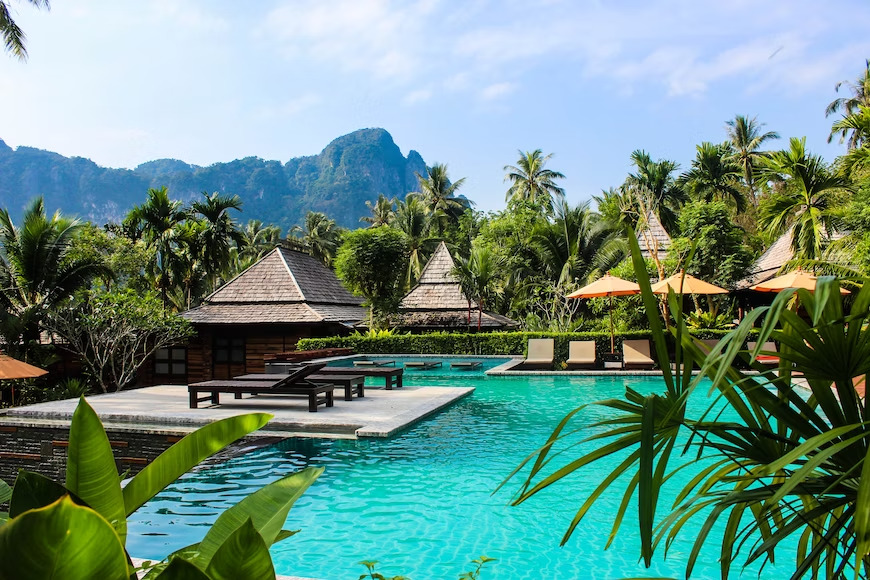
You’ll be surprised by the plethora of affordable, comfortable, and charming accommodations in Southeast Asia. I once stayed at a lovely boutique hotel, Sala Ayutthaya, in Thailand. For around $70 per night (2,100 Thai Baht), I had a room with an incredible view of the historic Ayutthaya temples. Plus, their breakfast is to die for!
In Vietnam, Hoi An’s Little Riverside Boutique Hotel offers stylish rooms with a dash of local charm for around $60 (1.4 million Vietnamese Dong) per night. With a serene pool and close proximity to the vibrant Old Town, it’s an absolute steal.
Your Taste Buds Can Go on an Adventure Too: Discover Authentic and Affordable Local Cuisine
Foodies, rejoice! Southeast Asia is a culinary wonderland where you can feast without spending a fortune. Start your day with a bowl of Pho in Vietnam for just $2 (46,000 Vietnamese Dong), or a serving of Nasi Goreng in Indonesia for under $1.50 (21,000 Indonesian Rupiah).
In Thailand, you must try the legendary street food. From savory Pad Thai for around $1.30 (39 Thai Baht) to sweet Mango Sticky Rice for about $1.60 (48 Thai Baht), your taste buds are in for a treat. Remember, locals know best! Ask around for the most recommended places to dine.
Experience Southeast Asia’s Wonders Without Burning Holes in Your Pockets
You might think that experiencing Southeast Asia’s incredible attractions would cost a fortune, but the truth is far from it! Let me share some of my favorite affordable activities in the region.
Ever wondered what a sunrise at the Angkor Wat in Cambodia feels like? For just $37 (140,000 Cambodian Riel), you can find out! This UNESCO World Heritage site is one of the most significant archaeological parks in Southeast Asia, and seeing the sun creep over its iconic towers is a memory you’ll cherish forever.
You can’t visit Indonesia without exploring the stunningly beautiful beaches of Bali. For a minimal cost of $5 (72,000 Indonesian Rupiah), you can rent a sunbed at Seminyak Beach and bask in the tropical paradise all day.
And if you’re in Thailand, an afternoon at the Damnoen Saduak Floating Market in Bangkok is a must-do! It costs around $8 (240 Thai Baht) for a boat ride. The hustle and bustle, coupled with the vibrant colors of fresh fruits, vegetables, and local delicacies, makes it an experience that your Instagram followers will envy!
Make Your Pennies Count: Tips to Stretch Your Budget Further
Believe it or not, there’s always a way to make your money go even further when you’re in Southeast Asia. Here are some of my tried-and-true insider tips.
Use Grab, Southeast Asia’s answer to Uber, for cheap, reliable transportation. I’ve found that it’s often cheaper than taxis, and you avoid the risk of getting ripped off.
Skip the high-cost tourist traps and instead follow the locals. Whether it’s food, shopping, or entertainment, you’ll find that authentic experiences often come at a fraction of the price.
Learn basic bargaining skills. In many Southeast Asian countries, it’s common to haggle in markets. Remember, keep it friendly and respectful, but don’t be afraid to walk away if you can’t get the price you want.
Not All That Glitters Is Gold: Unveiling the Hidden Costs of Traveling in Southeast Asia
Hey there, fellow budget-savvy travelers! It’s Anderson, back with some more insider knowledge to help you avoid unnecessary expenses while traveling in Southeast Asia. We’ve talked about the highlights of this remarkable region and how to experience them without burning a hole in your wallet. But now let’s address the elephant in the room—the hidden costs that can sneak up on you if you’re not careful. Armed with this knowledge, you’ll be able to plan even more effectively for your journey.
Unseen Expenses: The Devil Is in the Details
One often overlooked cost of traveling in Southeast Asia is the departure or ‘exit’ tax. This is a fee that some countries charge when you leave, and it isn’t usually included in your airline ticket price. For example, in Indonesia, the exit tax can be up to $20 (290,000 Indonesian Rupiah). Make sure to account for this in your budget to avoid any last-minute surprises.
While healthcare in Southeast Asia can be affordable, medicine can be surprisingly pricey, especially for specific Western brands. Always travel with a basic first aid kit and any necessary prescription medications. Remember, prevention is better—and cheaper than cure.
Let’s talk about tipping. In most Southeast Asian countries, it isn’t customary or expected, but it’s becoming more common in touristy areas. Some establishments may include a service charge in your bill, but if they don’t, and the service was excellent, consider leaving a 10-15% tip. It’s not a huge amount, but it can add up, so be sure to factor this into your budget.
Connectivity Costs: Staying in Touch Without Spending a Fortune
In today’s digital age, staying connected while traveling is non-negotiable. However, roaming charges can cost an arm and a leg. My advice? Buy a local SIM card on arrival. They’re cheap and easily available throughout Southeast Asia. For instance, in Thailand, you can get a SIM card with 6GB of data for around $15 (450 Thai Baht). This way, you can Instagram your adventures and stay in touch without worrying about a hefty phone bill waiting for you back home.
Keeping Your Valuables Safe: A Small Investment for Peace of Mind
Now let’s talk about safety. Southeast Asia is generally safe for travelers, but like anywhere else in the world, petty theft can occur. Investing in a quality money belt or a lock for your luggage can save you the headache and unexpected expense of replacing lost items. I remember a time when my friend lost his camera in a café in Vietnam. Trust me, it’s worth taking precautions.
Speaking of safety, consider the cost of vaccines. Depending on your health insurance, you may need to pay out-of-pocket for travel-specific vaccinations. Hepatitis A, Typhoid, and Tetanus are commonly recommended for Southeast Asia. Check the CDC’s Traveler’s Health page for the most current recommendations and consult with your healthcare provider well in advance of your trip.
The ‘Tourist Price’ and How to Avoid It
Lastly, let’s tackle the notorious ‘tourist price’. It’s common for tourists to be charged more than locals for everything from street food to souvenirs. The best way to avoid this? Learn a few phrases in the local language. Not only does this show respect for the local culture, but vendors are also more likely to give you a fair price if they see you’re making an effort. Additionally, always check if prices are listed before purchasing. If not, make sure you agree on a price before committing to avoid any misunderstandings.
FAQ: Your Questions Answered
To wrap up, let’s answer some frequently asked questions about affordable travel in Southeast Asia.
Q: What’s the best way to carry money in Southeast Asia?
A: I recommend a combination of local currency and a travel-friendly credit card. Having some cash is essential for smaller vendors and taxis. However, for safety and convenience, use a credit card when possible. Just watch out for foreign transaction fees!
Q: What is the cheapest country to visit in Southeast Asia?
A: This can vary based on your travel style, but generally, Vietnam, Cambodia, and Laos are considered the most budget-friendly destinations.
Q: Is street food safe to eat?
A: Yes, generally speaking. Look for busy stalls (a high turnover means food is likely fresh), and if you can see it cooked in front of you, even better!
And there you have it, savvy travelers! Keep these tips in mind, and you’ll be able to make the most of your Southeast Asian adventure without any hidden costs creeping up on you.
Until next time, Happy Travels!
-Anderson