Why Europe by Train is Your Next Best Adventure
Hey, fellow explorers! It’s Anderson here, bringing you another slice of budget-savvy travel wisdom. This time, we’re hitting the tracks. Train travel in Europe, that is! Now, you might be thinking, “Anderson, why trains?” Well, let me tell you, there’s something inexplicably romantic about chugging through the European countryside, watching idyllic landscapes blend together as you sip your coffee.
I remember this one time, I was on a train from Munich to Salzburg. As we zipped past the snow-kissed Alps, the view was breathtaking – something I would have missed on a budget flight. Plus, the convenience of hopping on and off at city centers, instead of remote airports, is a win-win. It’s not just about the journey, but the unique experience, the comfort, and of course, the affordability.
Timing is Everything: Book Smart for a Bargain
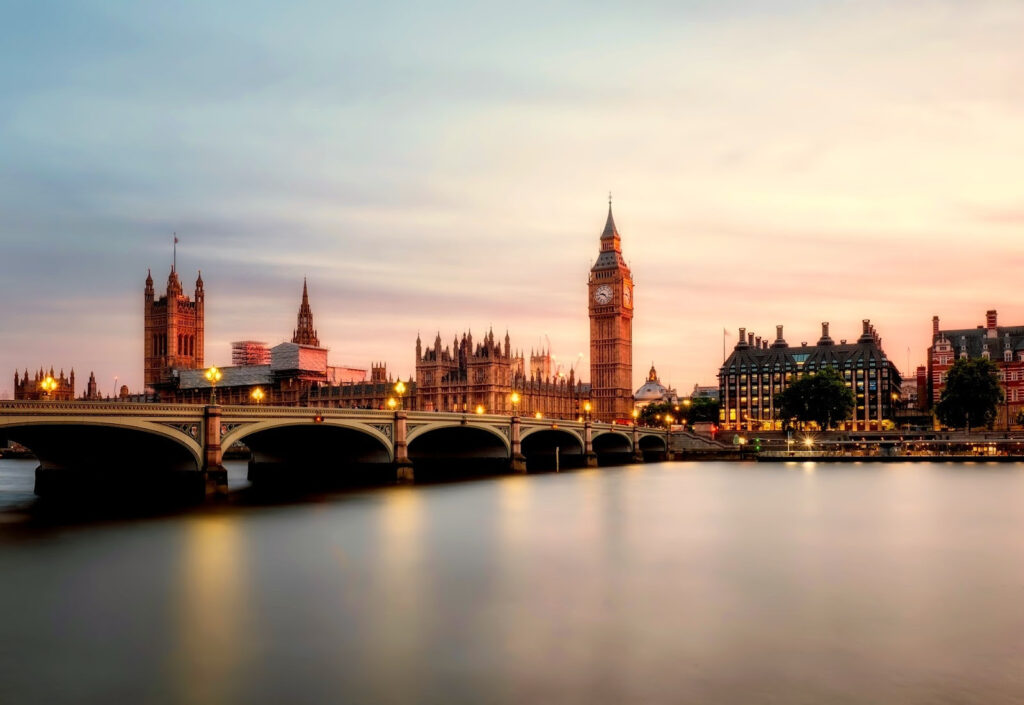
Looking for the golden rule on how to get cheap train tickets in Europe? It’s all about timing. Off-peak times – typically midday during the week – can offer significant savings. And remember, early bird gets the worm. Or in this case, the best fares!
Booking train tickets in advance can cut costs significantly. For example, a last-minute ticket from Paris to Barcelona can set you back around $150 (€125), but book a few weeks in advance and you might snag the same journey for as little as $50 (€42). Talk about a bargain!
Your Guide to Affordable European Train Travel: Top Websites and Apps
In today’s digital age, we’re spoiled with options. There’s a buffet of websites and apps that can help you find the best deals on train tickets. My personal favorites are:
- Rail Europe: Offers comprehensive coverage of train routes across Europe and has great deals. The user interface is intuitive and allows you to compare prices across different times and dates easily.
- Trainline EU: This one’s a lifesaver. It offers tickets for a vast number of European countries and includes smaller regional trains. Plus, the handy app alerts you to any price drops or changes in schedule.
- DB Navigator: If you’re exploring Germany, this is your go-to app. Operated by Deutsche Bahn (Germany’s national rail company), it offers some fantastic bargains on domestic and international routes.
Remember, prices can vary between platforms, so compare before you book!
Unlocking Savings with Discount Cards and Rail Passes
For those of you planning to travel extensively, discount cards and rail passes can be your ticket to big savings. Here’s the lowdown:
- Eurail Pass: This pass allows unlimited travel across 33 European countries, with prices starting at $315 (€264) for three travel days within one month. It’s a flexible and convenient option, especially if you plan on visiting multiple countries.
- Railcard: If you’re focusing on the UK, a Railcard is a must-have. It offers a third off rail fares for around $40 (£30) a year.
Just a heads up, though: rail passes aren’t always the most economical option for shorter trips. Do your math before buying.
The Perfect Rail Adventure: Specific Country Recommendations
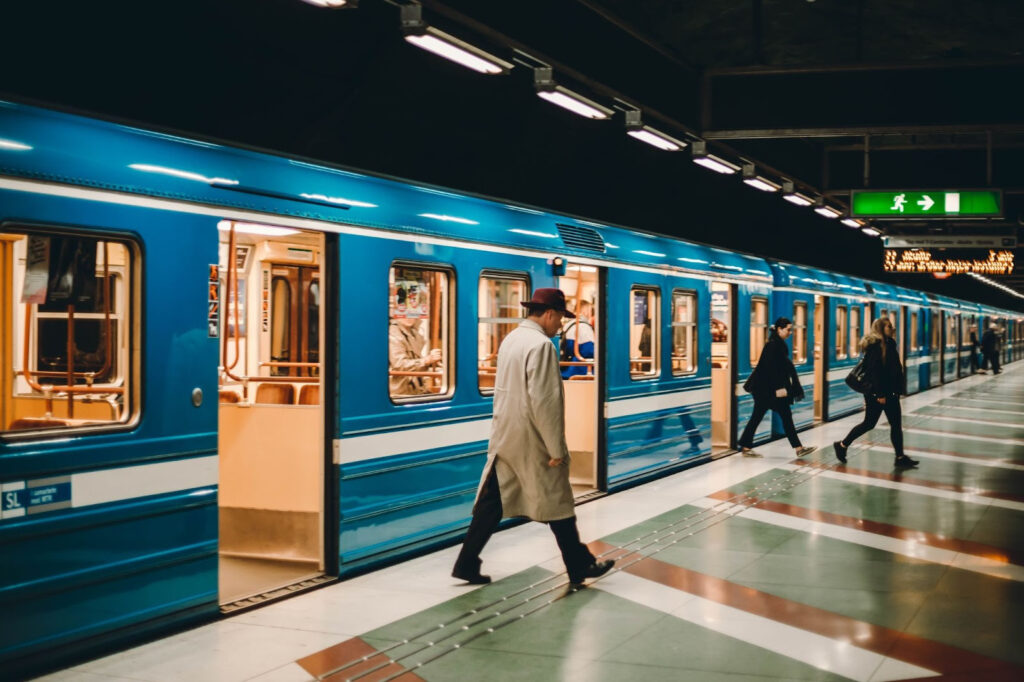
Let’s get down to brass tacks. Europe is a vast continent with each country offering a unique train travel experience. Here are my personal recommendations, handpicked from my countless rail adventures:
- Germany: Known for punctuality and speed, Deutsche Bahn covers a vast network. Look out for their “Sparpreis” fares, offering great savings. A Berlin-Munich ride can cost as little as $40 (€34)!
- France: The TGV (high-speed trains) are fast and comfortable. But for budget travel, check out the slower Intercités and TER regional trains. A ride from Lyon to Nice might cost around $30 (€25) if you book in advance.
- Italy: Italy’s train system is a mix of high-speed (Frecciarossa) and regional services. For the Rome-Florence route, consider the slower regional trains. The journey might be longer, but tickets can be as cheap as $20 (€17).
- Spain: Spain’s Renfe trains are known for their punctuality and comfort. Their high-speed AVE trains might be expensive, but the slower Media Distancia offer great savings. For example, the Madrid-Toledo ticket could be as low as $15 (€12.5)
Remember to keep an eye on local deals and promotional fares. Sometimes, they might be available only on the local language website. A little language challenge can bring hefty savings!
How to Plan Your Itinerary
A well-planned itinerary can make your train travel more efficient and cost-effective. Start with a rough plan, listing your must-visit cities. Then, work out a route that requires minimal backtracking.
Let’s say you want to explore France and Italy. A possible itinerary could be: Paris → Lyon → Nice → Genoa → Florence → Rome. This way, you’re moving consistently in one direction, saving both time and money.
Flexibility is also key. Sometimes, taking a morning train might be cheaper than an afternoon one. Or perhaps, travelling on a Tuesday is more economical than Friday. Small changes in your plan could lead to big savings!
Ensuring a Comfortable Journey
Now, onto the fun part. Comfort doesn’t have to be costly. From boutique accommodations to unique dining experiences, here are my top tips to ensure a comfortable journey without breaking the bank.
- Overnight trains: These are a great way to save on accommodation costs. Book a couchette for around $30-40 (€25-33), and you’ll arrive refreshed at your next destination.
- Food: Train station food can be overpriced. Consider packing a picnic from local markets, or explore the local cuisine at your stopovers. A fresh croissant in Paris or a Spanish tapas plate in Madrid will cost you less than $5 (€4.2).
- Sightseeing during stopovers: Use your stopovers wisely. Even a few hours are enough to explore the city’s main attractions.
Be Your Own Conductor: Navigating Train Stations
Navigating train stations is part of the adventure. Here’s a handy list of tips to get you through with ease:
- Check train schedules: Be sure to know your departure time, and always aim to be at the station at least 30 minutes in advance.
- Platform information: Check the electronic boards for platform information and any last-minute changes.
- Luggage: Unlike airlines, trains typically don’t have strict luggage rules. Still, travel light for ease and convenience.
- Ticket validation: In some countries like Italy and Spain, remember to validate your ticket before boarding.
- Seat Reservations: On some trains, a ticket does not guarantee a seat unless you’ve made a reservation. This can usually be done at the time of booking, or at the station before departure.
Upgrade Your Travel Experience: Explore First Class on a Budget
Hey there, travelers! It’s Anderson again, back with another fun surprise. This time, I’m letting you in on a secret – how to snag those plush first-class train seats without draining your bank account. Because who says you can’t enjoy the finer things while on a budget?
Most European trains have two classes – second and first. While second class is more than comfortable, first class offers spacious seats, extra legroom, quieter carriages, and sometimes, complimentary meals and drinks. So, how do you get a taste of this luxury for less? Here’s the scoop:
- Last-minute upgrades: Some rail companies offer on-the-spot upgrades on the day of travel if there are unsold first-class seats. These upgrades can cost as little as $20 to $40 (€17 to €33), depending on the route and duration.
- Off-peak Travel: Traveling during off-peak times (midday during the week) increases your chances of getting a first-class upgrade for a fraction of the cost.
- Advance Booking: Just like standard fares, first-class tickets can be significantly cheaper when booked well in advance.
- Discount Cards: Some discount cards offer reductions on first-class fares as well. If you’re planning extensive travel, this could be a great way to enjoy premium comfort for less!
Remember, these opportunities vary across different rail companies and aren’t always guaranteed. But with a bit of planning and a dash of good luck, you could find yourself sipping on a complimentary beverage, enjoying the scenic European countryside from the comfort of your first-class seat.
The Ultimate Guide to Packing for Train Travel
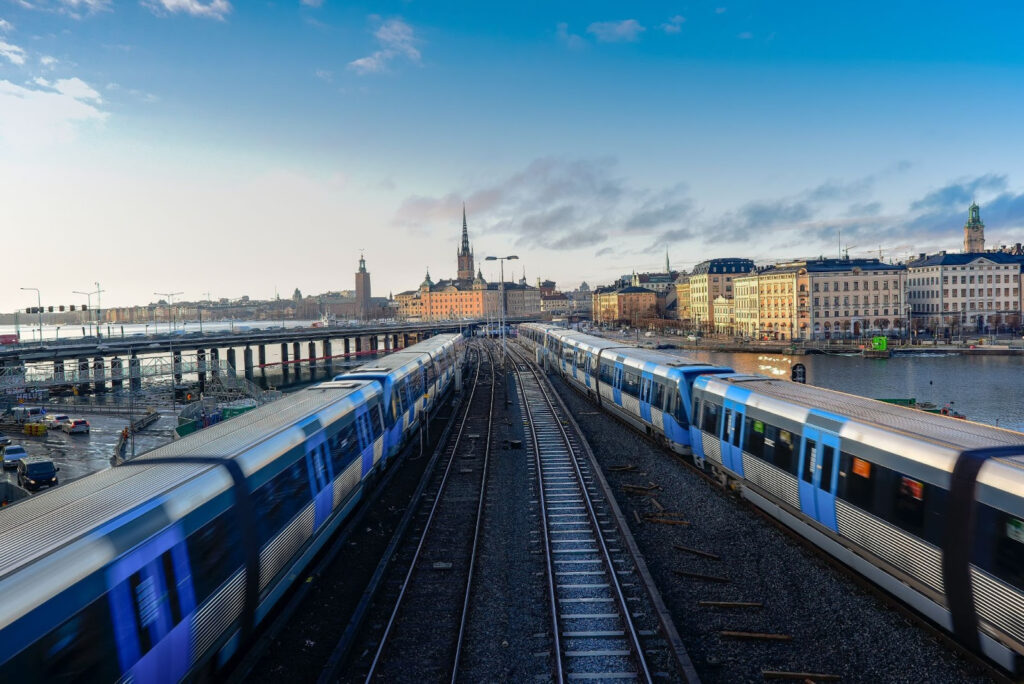
As an experienced traveler, I can’t stress enough the importance of smart packing. Unlike air travel, train travel has lenient baggage rules, but lugging around heavy bags can take the joy out of your journey. So, here are my top packing tips for a comfortable train adventure:
- Travel Light: Pack only what you need. A good rule of thumb is to lay out what you think you’ll need, then cut it in half!
- Multi-functional Items: Choose items that serve more than one purpose. A sarong, for example, can be a beach towel, a blanket, or a makeshift bag.
- Layer Up: Weather in Europe can be unpredictable. Layer your clothing to adapt to changing conditions.
- Essentials Bag: Keep a small bag with your essentials – passport, tickets, snacks, water bottle, and a good book or download some movies to your device for entertainment.
- Security: Unfortunately, pickpocketing can be an issue in some places. Invest in a good-quality padlock for your bags, and never leave them unattended.
Packing smart and light will not only make your journey more comfortable, but also smoother and safer.
Savvy Travel Apps for Your Rail Adventure
In the age of smartphones, your journey can be made easier with a handful of smart applications. Here are some of my favorite travel apps that I’ve found indispensable during my train travels:
- Rail Planner: This official app of Eurail/Interrail is free, works offline and provides a European train timetable. It also offers benefits and discounts for pass holders.
- Omio: Formerly GoEuro, this app allows you to book train, bus, and flight tickets across Europe. It’s user-friendly and often has some fantastic deals.
- Trainline EU: This is a must-have app for any European rail traveler. You can book tickets for a multitude of European countries and it’s very intuitive to use.
- CityMapper: Once you’ve reached your destination, CityMapper is a great tool for getting around. It offers public transportation and walking directions, and is available in many European cities.
- Google Translate: While many Europeans speak English, this app can be a lifesaver when you’re trying to understand local signs or menus.
Europe Rail Travel FAQs
Finally, here are some frequently asked questions that I often encounter from fellow travelers:
1. What’s the difference between a train ticket and a rail pass?
A train ticket allows you to travel from Point A to Point B, while a rail pass (like Eurail or Interrail) allows unlimited travel on the rail network of one or multiple countries, during a specified period.
2. Can I just hop on any train with my rail pass?
Most regional and local trains allow for unlimited travel with your rail pass without a reservation. However, high-speed, international, and night trains often require a reservation at an additional cost.

3. What is the best time to travel by train in Europe?
The best time to travel in Europe depends on your preferred weather and tolerance for crowds. Spring (April to June) and Fall (September to October) offer mild weather and fewer tourists.
4. How far in advance can I book my train tickets?
Most European train tickets are available to book as early as three months in advance. Some train operators release their tickets even earlier.
So, fellow explorers, that’s the lowdown on chugging through Europe by train without blowing your budget. From finding the best deals to unlocking savings with rail passes, your dream journey is more affordable than you think.
And remember, it’s not just about the destination. It’s the thrill of the journey, the rhythm of the tracks, the unfolding landscapes, and the stories that come with every station you pass.
Before I sign off, don’t forget to sign up for the Classy On a Coin newsletter. Join our community of budget-savvy travellers and stay updated on the latest travel hacks, exclusive deals, and tips from our Economical Explorers.
Here’s to exploring Europe one train track at a time. Happy Travels! – Anderson